Bed covers provide an essential layer of comfort, protection, and style for sleeping environments. They come in various materials, including cotton, microfiber, and blends, each offering different degrees of breathability, softness, and durability. Understanding fabric properties helps in selecting a cover that suits temperature regulation and skin sensitivity, contributing to a healthier night’s rest.
Key features to evaluate include thread count, weave type, and finish. Higher thread counts often imply a smoother surface and improved durability, while percale and sateen weaves offer distinct feels. Additionally, fabric finishes such as wrinkle resistance or moisture-wicking can influence maintenance and overall comfort during varied seasons.
In the context of bed covers, functional benefits encompass warmth, wrinkle resistance, and easy care. Some covers are designed to trap heat for cooler environments, while others emphasize lightweight construction for warm climates. Hypoallergenic options may reduce irritants, supporting restful sleep for sensitive sleepers and reducing allergen exposure.
Functional product examples include Free New Bedcover variants that feature thoughtful details like breathable interior linings, reinforced seams, and machine-washable fabrics. Each product emphasizes practical benefits, such as easy laundering, durable colorfastness, and compatibility with standard bedding sizes, thereby enhancing daily usability and long-term comfort.
For bedding ensembles, bed covers coordinate with pillows, sheets, and comforters to create a cohesive, serene bedroom atmosphere. Understanding material choices, care requirements, and use-case scenarios—such as seasonal layering or allergy-conscious setups—helps shoppers make informed decisions about extending the life and comfort of their sleeping environment.
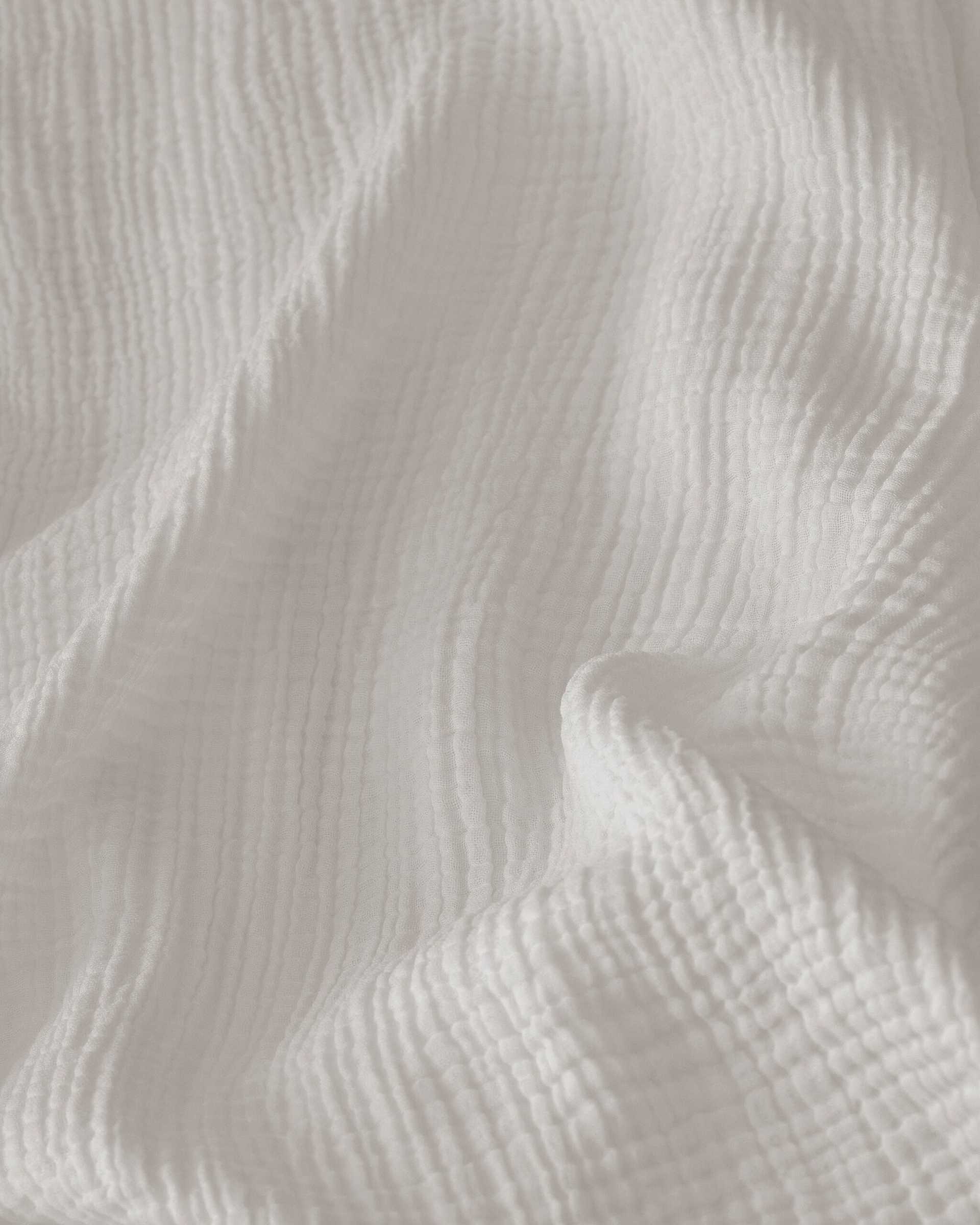 Bedding